Seedance 2.0–Style Multimodal Director
Control AI video like a director — combine photos, reference clips, audio, and text to turn static images into cinematic short films.
Seedance 2.0 showed what’s possible when AI video stops being a black box and starts taking precise direction.
This model page brings that style of multimodal control into Animate Photo AI: you set the intent, feed it references, and let the system handle motion, camera, rhythm, and emotion.
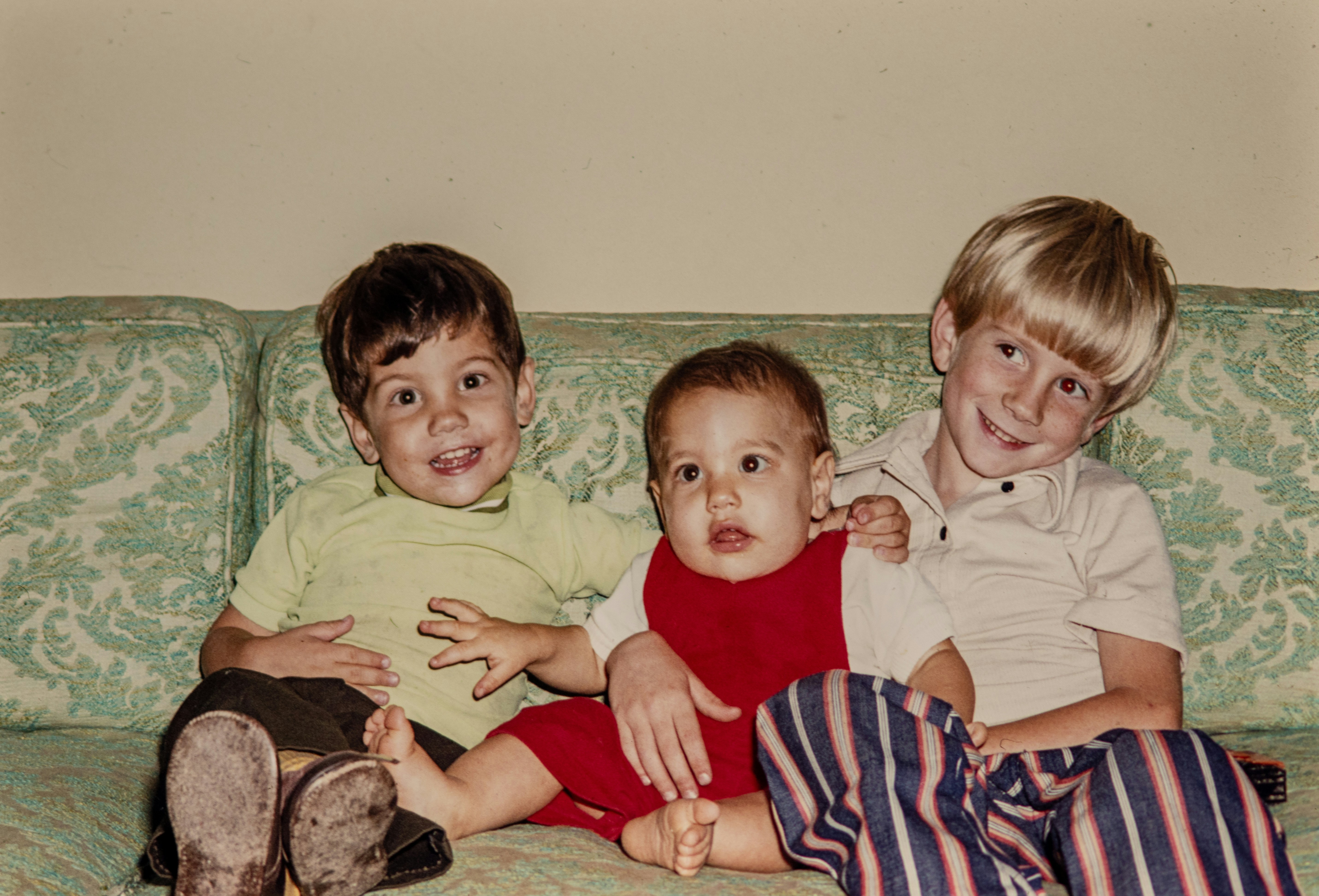
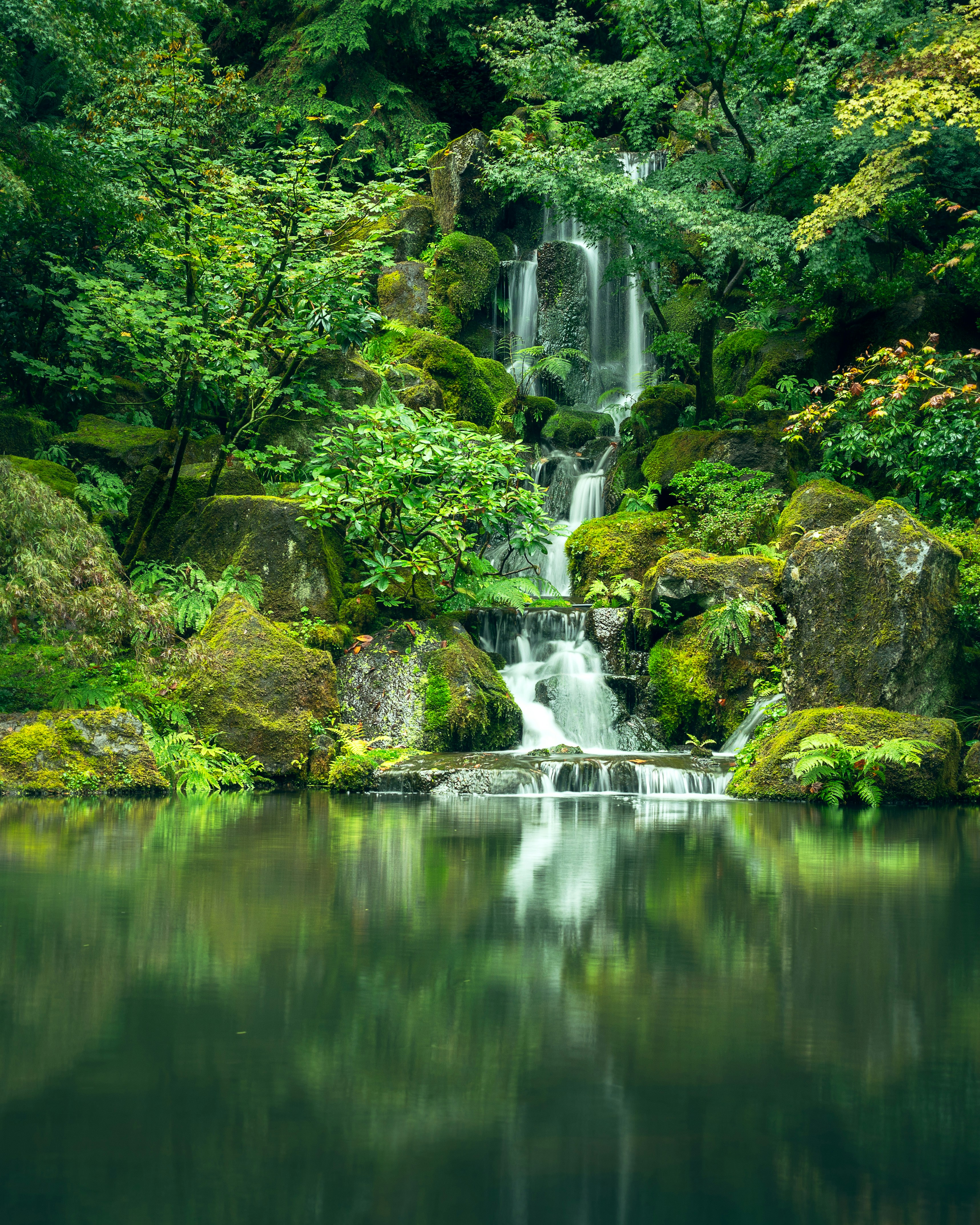
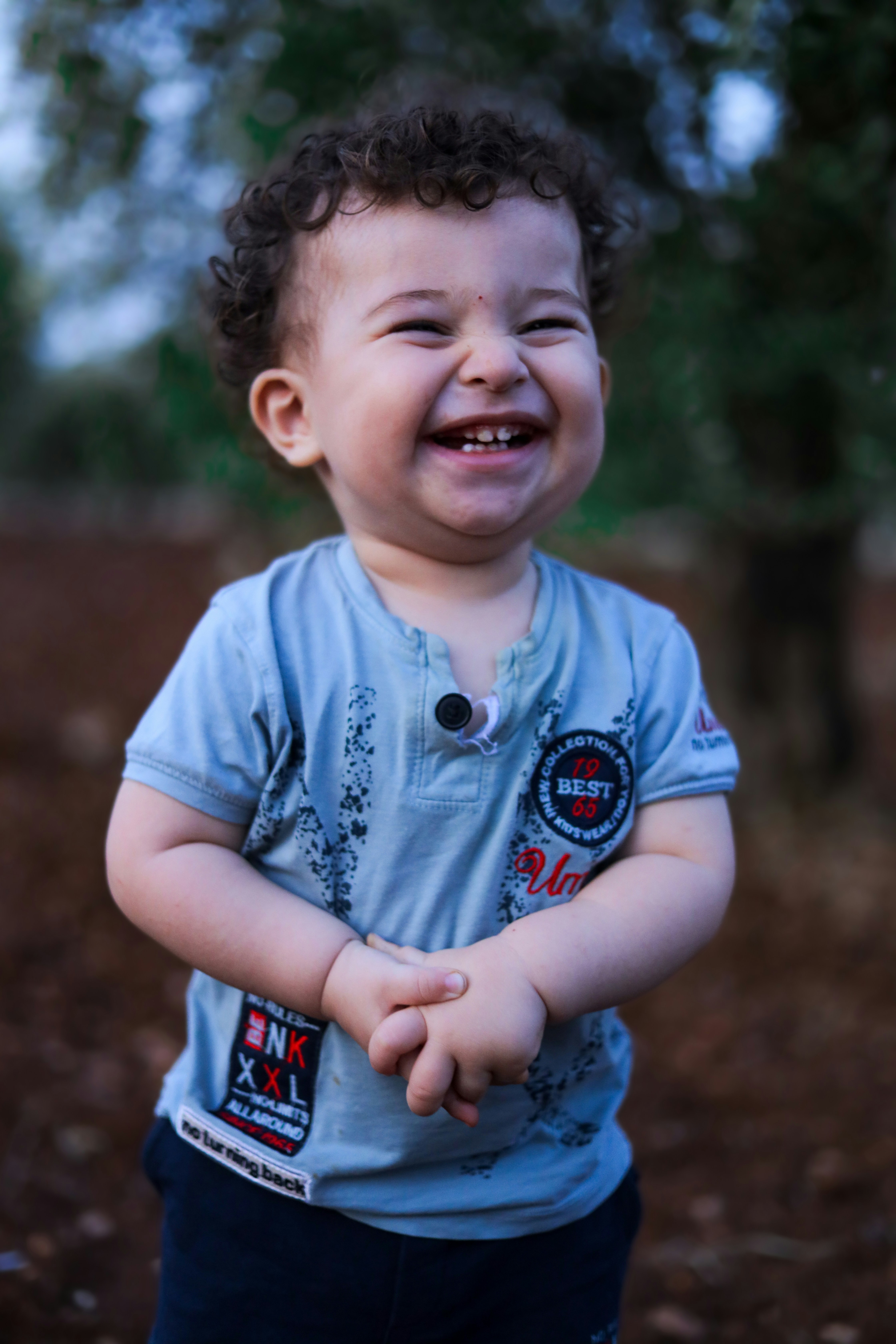
PILLARS
Start from intent — then direct with confidence
Instead of guessing with prompts, you start from what you want to achieve — then assign clear roles to each reference. Different intents come with sensible defaults that keep your Seedance-style results stable and predictable.

Cinematic Portraits
Turn a single portrait into a directed shot. Use reference clips for camera motion and pacing, keep expressions subtle or heightened depending on your story.
Action & Chase Scenes
Prototype high-motion sequences by referencing parkour, chase, or fight footage. The model follows the camera choreography while reimagining characters and environments from your photos.
Brand & Product Stories
Combine hero product photos with mood clips to build short brand stories. Define how the camera moves around your product and how each beat lands.
HOW TO
How to use Seedance 2.0–style workflows in 3 steps
Give the model the same information a director gives a crew: references and a timeline.
- 1Upload the right inputs
Start with a clear hero image — a portrait, product, artwork, or scene. Then add short reference video clips and optional audio. You can mix up to 12 files in total, so focus on the ones that define style, motion, and rhythm.
- 2Assign roles and describe the timeline
Tell the system what each asset is for: which image defines the main character or environment, which clip defines camera movement or action, which audio sets the beat. Describe your scene along a timeline (0–3s, 4–7s, …) to control pacing and emotional beats.
- 3Generate, iterate, export
Generate multiple takes, compare them, adjust motion strength and camera intensity, then export a loop-ready clip for social, ads, or editing in your usual tools. Treat it like a virtual first cut from your AI camera crew.
Tip: keep reference clips short and focused. If a result feels uncanny, reduce motion strength first before changing prompts.
SPECS
Specs & limits for /models/seedance-2.0
Practical input limits and output ranges for director-style multimodal projects.
| Item | Details |
|---|---|
| Image inputs | Up to 9 images for characters, art style, environments, or product angles. |
| Video inputs | Up to 3 clips, total length up to 15 seconds, used as references for motion, camera, and transitions. |
| Audio inputs | Up to 3 MP3 files, total length up to 15 seconds, used for music mood, rhythm, or voice tone. |
| Text prompts | Natural language in English or Chinese, best when written as a simple timeline with short sentences. |
| Generated clip length | 4–15 seconds per clip. Shorter lengths for punchy cuts, longer for mini scenes. |
| Output quality | Standard previews on free usage; HD/4K and watermark-free exports depend on your plan. |
| Rights & usage | Upload only media you have rights to use and review our Terms for commercial usage. |
Note: Actual availability and limits may vary by account, plan, and queue conditions.
DEEP DIVE
Deep dive: directing with Seedance 2.0–style references
You don’t just describe the result — you show it what to follow.
Think of motion strength as your movement dial. Lower values give grounded, realistic motion; higher values push into stylized action. Combine this with reference clips to transfer camera paths — tracking shots, push‑ins, or orbiting — onto your own portraits, art, or products.
Use portraits as casting, and reference clips as acting notes. Describe when a character should stay still, when they should react, and how their emotion should shift across the shot. The model aligns facial expression, body language, and voice (when used) to that arc.
Already happy with an existing clip? Use this model to extend it by a few seconds, add a twist, or rewrite the ending — without reshooting. Treat your old clip as the first half of a scene and let AI direct what happens next.
Combine classic talking portraits with Seedance-style guidance. Use one image for the character, a clip for camera movement, and optional audio for voice tone. Great for intros, reaction shots, and character moments.
HIGHLIGHTS
What you see is what you direct
Seedance-style control is about clarity: each reference has a job, each beat has a place.
Assign roles to each asset instead of relying on a single prompt. Images define who and where, clips define how things move, audio defines how it feels, and text ties it all together.
Upload a shot you love — a dramatic push‑in, a stairwell chase, a stage performance. The model learns its camera language and replays that choreography on your own characters and scenes.
Describe your clip in time blocks: 0–3s, 4–7s, 8–12s. The model uses those beats to place motion shifts, transitions, reveals, and emotional changes exactly where you expect them.
Every major control is visible, and every change is previewable. Compare reference inputs and generated clips side by side so you always understand what influenced the final video.
SHOWCASE
Inspiration gallery: Seedance 2.0–style results
See how creators mix photos, clips, and prompts to get Seedance-style control from Animate Photo AI.

TRUST
Trust & ethics for multimodal projects
When you’re working with faces, voices, and personal footage, clarity and responsibility matter more than hype.
- We follow a 'minimum necessary' principle — your content is processed only to complete your request.
- Avoid uploading highly sensitive or private media, especially of minors or vulnerable groups.
- Only upload photos, videos, and audio you have explicit permission to use, particularly in commercial or public projects.
- Review our Privacy Policy and Terms of Service to understand how your data is handled.
Upload only media you have rights to use — especially for commercial work.
FAQ
Seedance 2.0–style model FAQ
Quick answers for creators building reference-driven multimodal projects.
- Is this the official Seedance 2.0 model?
- No. This page describes a Seedance 2.0–style multimodal workflow implemented on Animate Photo AI. It’s inspired by the same idea — directing AI with references — but runs in our own product environment.
- How is this different from a normal image-to-video model?
- Instead of relying only on text prompts or a single starting frame, you can combine photos, video clips, audio, and a timeline-style description. That makes camera movement, pacing, and emotion much more controllable.
- Do I need reference video and audio to use it?
- No. You can still generate from just an image and text. But short, focused reference clips and audio help the model match motion and rhythm more precisely.
Is this the official Seedance 2.0 model?▾
How is this different from a normal image-to-video model?▾
Do I need reference video and audio to use it?▾
How long can my clips be?▾
Can I extend or edit an existing video?▾
Can I use movies or songs as references?▾
Ready to direct with Seedance 2.0–style control?
Start from a single photo and a short reference clip. Animate Photo AI will handle the rest — motion, camera, and rhythm.