Animate vintage black and white photos
Animate a vintage black-and-white photo with Animate Photo AI while keeping its classic texture and contrast. The key is subtle motion, stable grain, and careful restoration—so it feels like an archival film moment, not a modern filter.
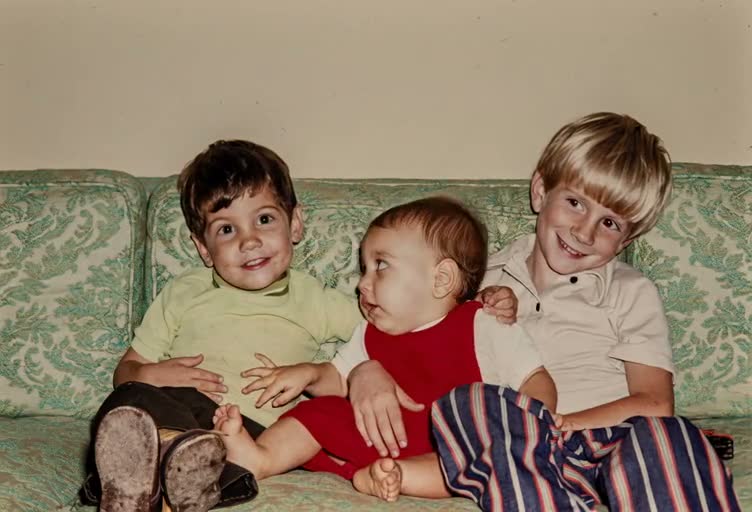
Sample video
A quick preview of the kind of motion you can generate.
TL;DR
Quick answers
Vintage photos look best when you preserve grain and keep motion calm.
- Preserve texture
- Avoid heavy smoothing. Keep grain and contrast so the result stays authentic to the original.
- Restore first
- Repair scratches and stabilize facial detail before adding motion—especially around eyes, lashes, and lips.
- Optional gentle color
- If you add color, keep it subtle and period-appropriate. Many black-and-white photos look best uncolored.
- Keep motion minimal
- Blinking and micro head motion are usually enough. Large expression changes can look unnatural on vintage photos.
GUIDE
Animate vintage black-and-white photos without losing texture
Keep grain stable, protect facial detail, and avoid “waxy” restoration.
Vintage black-and-white photos often carry film grain, soft focus, and high contrast that make them beautiful—and tricky to animate. To animate vintage black and white photos realistically, prioritize facial detail and keep movements tiny so the texture stays consistent.
If you plan to restore or lightly colorize, do it gently: remove major scratches, keep natural grain, and avoid aggressive smoothing. Once the image looks stable, blinking and micro head motion can bring the portrait to life without changing its era.
Trust & authenticity
Animate Photo AI (animatephotoai) is best used for respectful restoration and subtle motion. Avoid outputs that mislead viewers about what the original photo captured—especially in historical contexts.
Great fits for black-and-white animation
- Studio portraits with strong lighting and sharp facial features.
- Yearbook photos where small motion adds warmth without drama.
- Archival family albums and genealogy projects.
- Museum or documentary visuals that need subtle “living” motion.
- Restored scans of damaged prints that benefit from stabilization.
Best practices for stable grain and contrast
- Preserve natural grain
- Reduce scratches and dust, but keep some texture. Over-smoothing makes skin look modern and can amplify flicker.
- Avoid heavy sharpening
- Too much edge contrast creates halos that shimmer during motion. Prefer gentle clarity improvements.
- Use subtle motion only
- Blink + micro head motion is usually enough. Large head turns or mouth movement can break the “archival” feel.
- Control exposure and blacks
- If shadows are crushed, lift them slightly before animation so eyes and eyelids have room to move naturally.
- Iterate with short loops
- Generate short clips and review grain stability. If you see shimmer, lower motion and reduce restoration intensity.
Common issues and how to fix them
Grain flickers frame-to-frame▾
Lower motion strength and avoid aggressive restoration. Grain is part of the signal; big changes make it shimmer.
Skin becomes “waxy”▾
Dial back smoothing/denoise and keep more micro texture. Natural pores and film grain help realism.
Edges halo during movement▾
Reduce sharpening and contrast. Hard edges can create glowing outlines once the face starts moving.
Eyes lose detail in shadows▾
Lift exposure slightly and crop closer to the face. Blinking needs clear eyelid and iris boundaries.
Colorization looks unnatural▾
Keep color subtle and historically plausible. For many photos, black-and-white + subtle motion looks best.
Related tools in Animate Photo AI
Cover neighboring intents, learn alternative workflows, and build topical authority with connected use cases.
All photo animation tools
Browse all use cases and pick the best one for your photo.
AI photo restorer and animator
Repair, upscale, and reduce noise first—then animate for smoother, more stable results on old photos.
Animate old family photos
Restore and animate family portraits with subtle motion, natural blinking, and gentle smiles—great for group shots.
Make ancestors smile in photos
Add a natural, modest smile without uncanny exaggeration—great for classic portraits and heirloom photos.
HOW TO
How to animate vintage black and white photos
A workflow that protects vintage texture while adding believable movement.
- 1Upload the highest-quality scan
If you can, scan the print at higher resolution. Straighten the frame and crop to the face area.
- 2Repair scratches and reduce harsh noise
Remove large scratches first. Reduce noise lightly—avoid wiping out fine film grain and skin texture.
- 3Add subtle motion
Start with slow blinking. Then add very small head motion if it still looks natural.
- 4Preview for authenticity
If it looks “too modern,” reduce smoothing and expression intensity, and keep the look closer to the original.
BEST SETTINGS
Best settings & input tips
Preserve the vintage look while improving stability.
| Photo input | Recommended effect | Suggested settings | Notes |
|---|---|---|---|
| High-contrast studio portrait | Slow blink | Blink slow; no big expressions | Strong shadows make large motion artifacts more obvious. |
| Photo with scratches/creases | Repair → blink | Fix scratches first; then blink | Scratches can “move” if not repaired. |
| Film grain / heavy noise | Light denoise → subtle motion | Denoise lightly; keep texture | Over-denoising causes plastic skin. |
| Optional colorization | Subtle color → blink | Low saturation; gentle tones | If color looks off, keep it black-and-white. |
EXAMPLES
Example prompts
Prompts that preserve an authentic vintage feel.
Classic portrait
Keep this black-and-white portrait authentic: slow blinking, micro head motion, preserve grain and contrast.
Scratch repair first
Repair visible scratches and stabilize the face; then add gentle blinking—no big expression changes.
Optional gentle color
If adding color, keep it subtle and realistic; then add slow blinking while preserving the vintage texture.
FAQ
FAQ
Common questions about animating vintage black-and-white photos.
FAQ
- Should I colorize black-and-white photos before animating?
- Not always. Many photos look best in black-and-white. If you add color, keep it subtle and avoid oversaturation.
- Why does my vintage photo look “plastic” after animation?
- It’s usually too much smoothing or denoise. Preserve grain and reduce expression intensity for a more authentic look.
- What motion looks most natural on vintage portraits?
- Slow blinking and tiny head motion. Big smiles or speech effects tend to look less believable on vintage scans.
Should I colorize black-and-white photos before animating?▾
Not always. Many photos look best in black-and-white. If you add color, keep it subtle and avoid oversaturation.
Why does my vintage photo look “plastic” after animation?▾
It’s usually too much smoothing or denoise. Preserve grain and reduce expression intensity for a more authentic look.
What motion looks most natural on vintage portraits?▾
Slow blinking and tiny head motion. Big smiles or speech effects tend to look less believable on vintage scans.
How do I handle scratches and creases?▾
Repair them first. If you animate before restoration, scratches can become more noticeable and appear to move.